

Canada to UK Travel Guide

Flights, Routes, Stopovers & Things to See
Planning a trip from Canada to the United Kingdom? This guide is designed for Canadians travelling to the UK and covers direct flight routes, common stopovers, flight times, planning tips. As well as important links to transport services.
Whether you’re flying from Toronto, Vancouver, Calgary, Montréal, Halifax, or another Canadian city, this page will help you plan your journey with confidence.

🛫 Direct Flights from Canada to the UK
Canadians can fly non-stop from several major Canadian airports to the UK:
Western Canada
-
Vancouver (YVR) → London Heathrow / Gatwick
-
Calgary (YYC) → London Heathrow
Central & Eastern Canada
-
Toronto (YYZ) → London Heathrow / Gatwick / Manchester / Edinburgh
-
Ottawa (YOW) → London Heathrow (select services)
Québec
-
Montréal (YUL) → London Heathrow / Gatwick
Atlantic Canada
-
Halifax (YHZ) → London Heathrow
If your departure city doesn’t offer a non-stop flight, you can connect via a major hub.
📍 Flight search & route planning tools
-
FlightConnections – https://www.flightconnections.com/
-
Google Flights – https://www.google.com/flights
-
Momondo – https://www.momondo.com
-
Skyscanner – https://www.skyscanner.net
These tools help you compare direct vs one-stop options and typical flight times.
⏱️ Flight Times (Typical)
-
Eastern Canada → UK (non-stop): ~6–7 h
-
Central Canada → UK (non-stop): ~7–8 h
-
Western Canada → UK (non-stop): ~8.5–9.5 h
-
One-stop: ~9–14+ h total (depends on stopover)
🧳 Travel Tips for Canadians Visiting the UK
-
🧳 Practical Travel Tips for Canadians
-
✍ UK Electronic Travel Authorisation (ETA)
-
UK ETA information (required for Canadian visitors):
https://www.gov.uk/eta -
🛂 Entry Requirements
-
UK entry guidance (passport & visa info):
https://www.gov.uk/check-uk-visa -
Currency: British Pound (GBP)
-
Power adapters: UK uses Type G plugs
🔁 Common Stopovers (One-Stop Flight Options)
Canadian Hub Connections
From smaller Canadian cities, travellers often connect through:
-
Toronto (YYZ)
-
Montréal (YUL)
-
Calgary (YYC)
-
Vancouver (YVR)
-
Halifax (YHZ)
European Stopover Cities
These hubs are popular for Canada–UK flights:
-
Dublin Airport (DUB) – https://www.dublinairport.com
-
Reykjavik (KEF) – https://www.isavia.is/en/airports/keflavik-airport
-
Amsterdam Schiphol (AMS) – https://www.schiphol.nl/en/
-
Paris Charles de Gaulle (CDG) – https://www.parisaeroport.fr/en
-
Frankfurt Airport (FRA) – https://www.frankfurt-airport.com/en.html
Stopovers can be convenient for price and schedule optimization.


Essential Travel gear - the multi country plug adapter & The charging block

🚆 Transport Within the UK
✈️ Getting from Major UK Airports into London
✈️ Heathrow Airport (LHR)
-
Heathrow Express (to Paddington): https://www.heathrowexpress.com
-
Elizabeth Line (TfL): https://tfl.gov.uk
-
TfL Journey Planner: https://tfl.gov.uk/plan-a-journey
✈️ Gatwick Airport (LGW)
-
Gatwick Express (to Victoria): https://www.gatwickexpress.com
-
Thameslink trains to central London: https://www.thameslinkrailway.com
✈️ Stansted Airport (STN)
-
Stansted Express (to Liverpool Street): https://www.stanstedexpress.com
✈️ Luton Airport (LTN)
-
Train via Luton Airport Parkway + shuttle:
https://www.london-luton.co.uk
✈️ London City Airport (LCY)
-
DLR (Docklands Light Railway) to central London:
https://tfl.gov.uk
🚇 London Transport & Rail Networks
🚆 National Rail
-
UK National Rail journey planner:
https://www.nationalrail.co.uk
🚇 Transport for London (TfL)
Includes Tube (Underground), buses, DLR, Overground:
https://tfl.gov.uk
London travel tips
-
Use Oyster card or contactless payment for Tube/bus.
-
London zones are used for Tube fare pricing.
-
The Elizabeth Line links Heathrow to central London.

🏛️ Things to Do in London
Museums & Cultural Institutions (Mostly Free)
London is home to some of the world’s greatest museums — many of them free to enter and centrally located.
British Museum
World-class collection covering global history.
-
Highlights: Rosetta Stone, Egyptian mummies, Parthenon Marbles
-
Allow 2–4 hours
-
Best visited early morning or late afternoon
🔗 https://www.britishmuseum.org
National Gallery
One of the finest art galleries in the world.
-
Artists: Van Gogh, Turner, Monet, Leonardo da Vinci
-
Overlooks Trafalgar Square
-
Free entry, compact and very walkable
🔗 https://www.nationalgallery.org.uk
Tate Modern
Modern and contemporary art in a former power station.
-
Famous Turbine Hall installations
-
Free viewing level with Thames views
-
Easy to combine with Millennium Bridge walk
🔗 https://www.tate.org.uk/visit/tate-modern
Victoria and Albert Museum (V&A)
The world’s leading museum of design and decorative arts.
-
Fashion, photography, furniture, ceramics
-
Excellent café and gift shop
-
Easy pairing with the Natural History Museum
Natural History Museum
Iconic museum popular with all ages.
-
Dinosaurs, blue whale skeleton, earth sciences
-
Stunning Romanesque architecture
-
Free entry
Imperial War Museum
Powerful and informative historical museum.
-
World War I & II
-
Holocaust Exhibition
-
Cold War history
🔗 https://www.iwm.org.uk/visits/iwm-london
🏰 Iconic Attractions & Landmarks
London’s landmarks are deeply connected to British history, monarchy, and global culture.
Westminster Area
The historic heart of the UK government.
-
Big Ben & Houses of Parliament
🔗 https://www.parliament.uk -
Westminster Abbey (royal weddings & coronations)
🔗 https://www.westminster-abbey.org -
St. James’s Park – scenic walk between palaces
🔗 https://www.royalparks.org.uk/visit/parks/st-jamess-park
Tower of London
One of London’s most famous historic sites.
-
Crown Jewels
-
Medieval history & Beefeater tours
-
Arrive early to avoid queues
🔗 https://www.hrp.org.uk/tower-of-london
Tower Bridge
London’s most recognisable bridge.
-
Glass walkway experience
-
Excellent views at sunset
🔗 https://www.towerbridge.org.uk
Buckingham Palace
Official London residence of the King.
-
Changing of the Guard (check schedule)
-
Summer interior palace tours
🔗 https://www.rct.uk/visit/buckingham-palace
London Eye
Classic skyline views over the Thames.
-
Best at golden hour or after dark
-
Pre-booking recommended
Sky Garden
Free indoor garden with panoramic views.
-
Indoor tropical garden
-
Advance booking required
🎭 Music, Theatre & Live Entertainment
London is one of the world’s great cities for live performance - from West End theatre to legendary music venues, jazz clubs, blues rooms, folk halls and major arenas.
🎭 West End Theatre
-
Musicals: Les Misérables, Hamilton, The Lion King
-
Plays & drama: Shakespeare to contemporary works
-
Discount tickets: TKTS Leicester Square — https://www.tkts.co.uk
🎼 Arena & Large Halls
-
Royal Albert Hall — classical, rock, film scores & the BBC Proms season
https://www.royalalberthall.com -
The O2 Arena (North Greenwich) — major international tours & events
https://www.theo2.co.uk
🎶 Major Music & Cultural Venues
-
Barbican Centre — concerts, contemporary music, jazz & classical
https://www.barbican.org.uk -
Queen Elizabeth Hall (Southbank Centre) — orchestral, jazz, world music
https://www.southbankcentre.co.uk/venues/queen-elizabeth-hall -
Roundhouse (Camden) — indie, rock, electronic & experimental music
https://www.roundhouse.org.uk
🎷 Jazz, Soul & Blues Venues
London’s jazz and blues scene is among the richest in the world, with clubs and rooms hosting local talent and international acts nightly. Jazzfuel
-
Ronnie Scott’s Jazz Club (Soho) — legendary jazz venue since 1959
https://www.ronniescotts.co.uk Ronnie Scott's -
Jazz Café (Camden) — soul, funk, blues & live music events
https://thejazzcafelondon.com Jazzfuel -
100 Club (Soho) — historic live music club (rock, jazz & more)
http://www.the100club.co.uk Jazz London Live -
606 Club (Chelsea) — daily jazz & live music programme
http://www.606club.co.uk Jazz London Live
🎸 Folk, Indie & Grassroots Venues
London is packed with smaller stages where folk, blues, roots and indie acts perform — perfect for off-beat nights out. Wikipedia
-
The Troubadour (Earl’s Court) – historic folk, acoustic & live music pub venue
http://www.troubadourlondon.com Wikipedia -
Bush Hall (Shepherd’s Bush) – boutique music hall with varied programme
https://www.bushhallmusic.co.uk Wikipedia -
Union Chapel (Islington) – stunning acoustic venue with folk, roots & classical
https://www.unionchapel.org.uk (official site) Wikipedia -
The Bull’s Head (Barnes) – jazz & blues pub room with historic pedigree
https://www.thebullsheadbarnes.com/ Wikipedia
🎟️ Other Notable Live Music Spots (Across Genres)
Based on broader London venues lists: Wikipedia
-
PizzaExpress Jazz Club (Soho) – jazz basement club
https://www.pizzaexpresslive.com/soho -
The Lexington (Islington) – indie & live music bar
https://www.thelexington.co.uk -
The Hope & Anchor (Islington) – historic rock & roots venue
https://www.hopeandanchor.co.uk -
Cafe OTO (Dalston) – experimental, avant-garde & jazz performances
https://www.cafeoto.co.uk -
Vortex Jazz Club (Dalston) – intimate jazz club
https://vortexjazz.co.uk
🌳 Walks & Neighbourhoods (Perfect Between Shows)
-
South Bank Walk – Cultural route between London Eye & Tower Bridge
-
Covent Garden – street performers & shopping
-
Soho – nightlife, food & live music hub
-
Notting Hill – pastel houses, markets & cafés
-
Greenwich – maritime history & parks
-
Hampstead Heath – panoramic skyline views
🎶 Bonus: Music & Culture Experiences
-
Abbey Road crossing & studios – iconic Beatles landmark
-
British Library – music archives & historical collections
-
Street art tour in Shoreditch – creative urban culture
-
Vinyl shopping in Soho & Camden – legendary record shops

🏨 Popular London Hotels — Quick Guide
💎 Luxury & Iconic Stays
-
The Savoy (Covent Garden) – Classic luxury on the Thames with historic service and world-class amenities
🔗 https://www.thesavoylondon.com -
The Ritz London (Mayfair) – Timeless British elegance, afternoon tea, superb location
🔗 https://www.theritzlondon.com -
Claridge’s (Mayfair) – Art Deco heritage, impeccable service
🔗 https://www.claridges.co.uk -
The Langham London (Marylebone) – Grand hotel with strong wellness and dining offerings
🔗 https://www.langhamhotels.com/en/the-langham/london -
The Shangri-La at The Shard (London Bridge) – High-end rooms with panoramic views of the city
🔗 https://www.shangri-la.com/london/shangrila
🏙️ Central & Boutique
-
The Henrietta Hotel (Covent Garden) – Stylish boutique with contemporary rooms
🔗 https://www.thehenriettahotel.co.uk -
Ampersand Hotel (South Kensington) – Chic, locally inspired design near museums
🔗 https://www.ampersandhotel.com -
Zetter Townhouse (Clerkenwell) – Quirky, creative interiors and personalized service
🔗 https://www.thezettertownhouse.com -
The Hoxton, Shoreditch – Trendy, social vibe with cool rooftop and dining
🔗 https://thehoxton.com/london/shoreditch -
The Nadler Victoria – Comfortable, modern rooms near Buckingham Palace
🔗 https://www.thenadler.com/london/victoria
💼 Business & Convenient
-
Park Plaza Westminster Bridge – Excellent for families & business, near the London Eye
🔗 https://www.parkplaza.com/london-westminster-bridge -
Hilton London Bankside – Stylish business-friendly hotel on the South Bank
🔗 https://www.hilton.com/en/hotels/lonbahi-hilton-london-bankside -
Novotel London Paddington – Reliable choice with great rail connections
🔗 https://www.novotel.com/gb/hotel-7297-novotel-london-paddington -
Citadines Trafalgar Square London – Apartment-style rooms near Trafalgar Square
🔗 https://www.discoverasr.com/citadines
💰 Mid-Range & Value Picks
-
Premier Inn London City (Aldgate) – Great value near the Tower of London
🔗 https://www.premierinn.com/gb/en/hotels/england/greater-london/london/london-city-aldgate.html -
The Z Hotel Soho – Compact but centrally located, ideal for short stays
🔗 https://www.thezhotels.com/hotels/soho -
Point A Hotels (various locations) – Budget-smart rooms in central neighbourhoods
🔗 https://www.pointahotels.com -
citizenM Tower of London – Modern minimal design, high tech, great social spaces
🔗 https://www.citizenm.com/destinations/london/tower-of-london
🏡 Boutique & Unique
-
The Arch London (Marble Arch) – Boutique style with personalized service
🔗 https://thearchhotel.com -
Hotel Café Royal (Soho) – Stylish heritage hotel with excellent dining
🔗 https://www.hotelcaferoyal.com -
the Nadler Kensington – Elegant, home-style suites in a residential district
🔗 https://www.thenadler.com/london/kensington
📌 How to Pick the Right One?
Location matters most:
-
Covent Garden / Soho / Trafalgar – best for first-timers, theatre & dining
-
South Bank / London Bridge – great views and riverside walks
-
Paddington / Kings Cross – easy rail/airport access
-
Mayfair / Knightsbridge – luxury, shopping, Michelin dining
-
South Kensington / Bloomsbury – museums and relaxed neighbourhoods
🧭 Planning Tools (Hotels & More)
-
Booking.com — https://www.booking.com
-
Hotels.com — https://www.hotels.com
-
TripAdvisor – London Hotels — https://www.tripadvisor.co.uk/Hotels-g186338-London_England
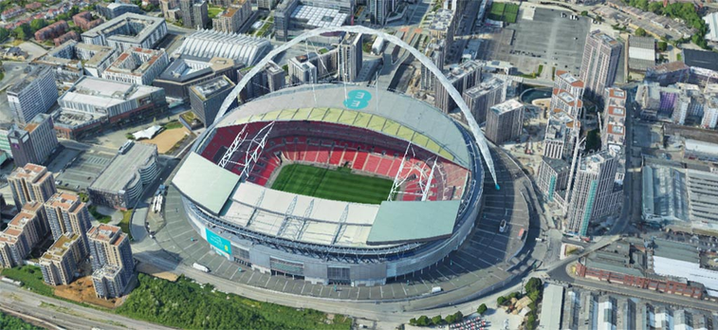
Major Sporting Venues in the United Kingdom The UK is home to some of the world’s most iconic sporting venues, from historic football stadiums and legendary rugby grounds to premier tennis championships and racecourses.
📣 Tips for Visiting UK Sporting Venues
-
Check team schedules first: Premier League, Rugby Six Nations, and Wimbledon all sell out early.
-
Use public transport: Many stadiums are near Tube or rail stations; special rail services often operate on match days.
-
Ticketing: Buy official tickets through clubs or venues — unofficial resale sites can be expensive.
-
Tours are great: Many stadiums offer behind-the-scenes guided tours when matches are not scheduled.
⚽ Football Stadiums (Soccer)
England
-
Wembley Stadium (London) — England’s national stadium; major football finals and concerts
https://www.wembleystadium.com -
Old Trafford (Manchester United FC) — one of the most famous club stadiums globally
https://www.manutd.com/en/club/old-trafford -
Emirates Stadium (Arsenal FC, London) — large modern football arena
https://www.arsenal.com/emirates-stadium -
Etihad Stadium (Manchester City FC) — state-of-the-art venue
https://www.mancity.com/club/etihad-stadium -
Anfield (Liverpool FC) — iconic atmosphere and historic ground
https://www.liverpoolfc.com/stadium
Scotland
-
Hampden Park (Glasgow) — Scotland’s national football stadium
https://www.scottishfa.co.uk/hampdenpark -
Celtic Park (Celtic FC, Glasgow) — massive crowd capacity
https://www.celticfc.com/stadium -
Ibrox Stadium (Rangers FC, Glasgow) — historic club venue
https://rangers.co.uk/club/stadium
Wales
-
Principality Stadium (Cardiff) — Wales’ national stadium — football and rugby
https://www.principalitystadium.wales
Northern Ireland
-
Windsor Park (Belfast) — Northern Ireland’s national football stadium
https://irishfa.com/our-facilities/windsor-park

🏉 Rugby Venues
-
Twickenham Stadium (London) — The home of English rugby union
https://www.twickenhamstadium.com -
Murrayfield Stadium (Edinburgh) — Scotland’s rugby union flagship
https://www.murrayfieldstadium.com -
Principality Stadium (Cardiff) — major rugby union venue for Wales
https://www.principalitystadium.wales
🎾 Tennis Venues
-
All England Lawn Tennis Club (Wimbledon, London) — home of The Championships, Wimbledon
https://www.wimbledon.com
🏇 Horse Racing
-
Ascot Racecourse (Ascot, England) — Royal Ascot & major race meetings
https://www.ascot.co.uk -
Aintree Racecourse (Liverpool) — home of the Grand National
https://www.thejockeyclub.co.uk/aintree -
Cheltenham Racecourse (Gloucestershire) — Cheltenham Festival
https://www.thejockeyclub.co.uk/cheltenham
🏎️ Motorsport
-
Silverstone Circuit (Northamptonshire, England) — British Grand Prix & major racing events
https://www.silverstone.co.uk
🏒 Ice Hockey & Multi-Sport Arenas
-
The O2 Arena (London) — concerts, major sport events & shows
https://www.theo2.co.uk -
The SSE Arena, Wembley (London) — hockey, concerts, family events
https://www.ssearena.co.uk
🏀 Basketball / Indoor Sports
(Indoor arenas also host major league basketball, boxing, darts, concerts, etc.)
-
Utilita Arena Birmingham — multi-sport events
https://www.utilitaarenabirmingham.co.uk -
AO Arena (Manchester) — large scale indoor venue
https://www.aoarena.com

🔁 4. How Airport Rail Links Work
Many London airports have dedicated rail connections to central stations:
✔ Heathrow Express → Paddington
✔ Gatwick Express → Victoria
✔ Stansted Express → Liverpool Street
✔ Luton Airport Parkway → St Pancras (plus shuttle bus)
✔ London City Airport → DLR to Tube network
Direct links for planning:
-
Heathrow Express: https://www.heathrowexpress.com
-
Gatwick Express: https://www.gatwickexpress.com
-
Stansted Express: https://www.stanstedexpress.com
🧠 5. Practical Tips
-
Many rail routes are faster and more reliable than driving for regional UK travel.
-
Booking in advance online can save significant money.
-
Some services have seat reservations that fill up early, especially on weekends and holidays.
-
London’s rail stations are integrated into the Tube network for easy onward travel.


🚉 London’s Major Transport Terminals & Where They Go
London has several large rail terminals, each serving different regions of the UK and airports. Knowing which station to use saves time and confusion.
🚆 Major London Railway Stations — Quick Guide
King’s Cross & St Pancras International (North Central London)
-
St Pancras International – Eurostar services to Paris, Brussels, and Amsterdam
🔗 https://stpancras.com
🔗 Eurostar: https://www.eurostar.com -
King’s Cross Station – Trains to Cambridge, York, Leeds, Newcastle, Edinburgh, and eastern Scotland
🔗 https://www.networkrail.co.uk/stations-details/london-kings-cross/ -
Best for: International rail to Europe, northern England & Scotland
-
Tube lines: Piccadilly, Victoria, Northern, Circle, Hammersmith & City, Metropolitan
Paddington Station (West London)
-
Routes to Oxford, Bath, Bristol, Cardiff, and South Wales
-
Direct airport links via Heathrow Express and Elizabeth Line
🔗 Station info:
https://www.networkrail.co.uk/stations-details/london-paddington/
🔗 Heathrow Express:
https://www.heathrowexpress.com
-
Best for: Western England, Wales, and fast Heathrow access
-
Tube lines: Bakerloo, Circle, District, Hammersmith & City
Victoria Station (Westminster)
-
Routes to Gatwick Airport, Brighton, South Coast resorts, Sussex, and some Kent services
-
Gatwick Express services depart from here
🔗 Station info:
https://www.networkrail.co.uk/stations-details/london-victoria/
🔗 Gatwick Express:
https://www.gatwickexpress.com
-
Best for: Gatwick Airport and coastal trips
-
Tube lines: Victoria, District, Circle
🔍 Helpful Planning Links
-
National Rail Journey Planner: https://www.nationalrail.co.uk
-
Trainline (tickets & routes): https://www.thetrainline.com
-
Transport for London (Tube & local travel): https://tfl.gov.uk
Waterloo Station (South Bank)
-
Routes to: Windsor, Southampton, Portsmouth, Bournemouth, South West England
-
Best for: Day trips to Windsor Castle and South Coast travel
-
Tube lines: Northern, Bakerloo, Jubilee, Waterloo & City
🔗 Station info: https://www.networkrail.co.uk/stations-details/london-waterloo/
Liverpool Street Station (City of London)
-
Routes to: Cambridge, Norwich, Ipswich, East Anglia
-
Airport link: Stansted Express to Stansted Airport
-
Best for: East of England and Stansted Airport
-
Tube lines: Central, Circle, Hammersmith & City, Metropolitan, Elizabeth line
🔗 Station info: https://www.networkrail.co.uk/stations-details/london-liverpool-street/
🔗 Stansted Express: https://www.stanstedexpress.com
London Bridge Station (South London)
-
Routes to: Brighton, Gatwick Airport, Kent, Sussex, South London
-
Best for: Coastal routes and South London connections
-
Tube lines: Jubilee, Northern
🔗 Station info: https://www.networkrail.co.uk/stations-details/london-bridge/
Euston Station (North Central London)
-
Routes to: Birmingham, Manchester, Liverpool, North West England, Glasgow (some services)
-
Best for: Midlands and North West intercity travel
-
Tube lines: Victoria, Northern
🔗 Station info: https://www.networkrail.co.uk/stations-details/london-euston/
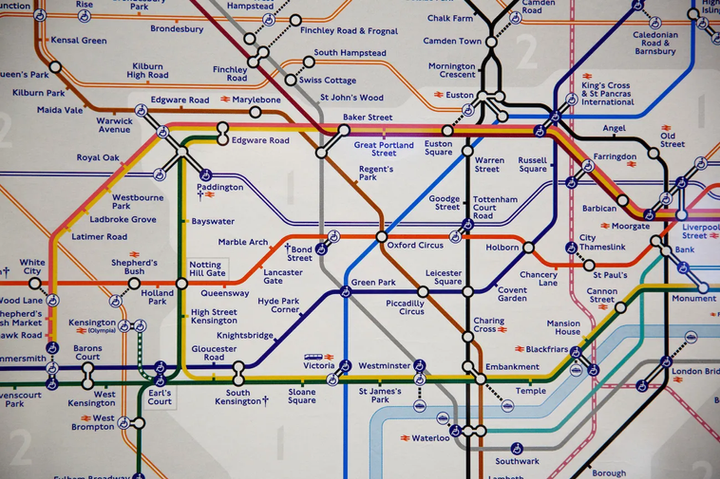
🚇 Getting Around London
London has one of the world’s most extensive public transport systems. With a bit of preparation, it’s easy, affordable, and efficient.
🧭 Transport Methods
1. London Underground (The Tube)
-
Fastest way to cross the city
-
11 lines covering central and outer London
-
Runs approx. 5:00 AM – Midnight (Night Tube on weekends)
Key Lines for Visitors
-
Piccadilly Line – Heathrow ⇄ Central London
-
Central Line – West End, Oxford Street, City
-
District & Circle Lines – Tourist attractions along the Thames
-
Jubilee Line – Westminster, London Bridge, Canary Wharf
2. Buses
-
Extensive network, 24-hour routes available
-
Slower than the Tube but scenic
-
Flat fare regardless of distance
Why use buses?
-
Great views of landmarks
-
Easy short trips
-
Excellent night option
3. Trains & Overground
-
London Overground connects outer neighbourhoods
-
National Rail trains operate from major terminals:
-
King’s Cross
-
Paddington
-
Victoria
-
Liverpool Street
-
Waterloo
-
Ideal for:
-
Day trips (Windsor, Oxford, Cambridge)
-
Suburban travel
4. DLR (Docklands Light Railway)
-
Automated trains in East London
-
Great for Canary Wharf & Greenwich
-
Front seats give panoramic views
5. Elizabeth Line
-
High-speed, modern line
-
Heathrow ⇄ Paddington ⇄ City ⇄ Canary Wharf
-
Spacious and step-free at many stations
6. Walking
-
Central London is surprisingly walkable
-
Many attractions are 10–20 minutes apart
-
Best areas: Soho, Covent Garden, South Bank, Westminster
7. Cycling
-
Santander Cycles (“Boris Bikes”) available citywide
-
Dedicated bike lanes increasing across London
-
Good for parks and riverside paths
8. Taxis & Ride-Hailing
-
Black cabs: hail on the street, knowledgeable drivers
-
Uber, Bolt, Free Now widely available
-
More expensive during peak hours
💳 How to Pay for Transport
Contactless Card or Mobile Pay (Recommended)
-
Tap in/out with debit/credit card or Apple/Google Pay
-
Daily and weekly fare caps apply automatically
-
No need to buy tickets in advance
Oyster Card
-
Physical travel card
-
Good for visitors without contactless payment
-
Refundable deposit
Travelcards
-
Unlimited travel for set periods
-
Usually not necessary unless staying long-term
🗺️ Key Routes for Visitors - Airport Transfers
-
Heathrow → Central London
-
Piccadilly Line (cheap)
-
Elizabeth Line (fast & comfortable)
-
Heathrow Express (fastest, expensive)
-
-
Gatwick → London
-
Gatwick Express → Victoria
-
Thameslink → St Pancras/London Bridge
-
Tourist Corridor
-
Westminster → Trafalgar Square → Covent Garden → Soho → Leicester Square
Thames Route
-
Westminster → London Eye → Tate Modern → Tower Bridge → Greenwich
📱 Essential Apps & Resources -Navigation & Planning
-
Google Maps – live routes & times
-
Citymapper – best for London transport
-
TfL Go App – official Transport for London app
-
Tickets & Rail
-
National Rail App
-
Trainline (UK rail bookings)
Cycling
-
Santander Cycles App
⏰ Peak Times to Avoid
-
Weekdays 7:30–9:30 AM
-
Weekdays 4:30–6:30 PM
Traveling outside these times is quieter and more comfortable.
🧳 How to Prepare Before You Arrive
Before Your Trip
-
Enable contactless payment on your card
-
Download key transport apps
-
Screenshot offline maps
-
Learn your hotel’s nearest Tube station
On Arrival
-
Take a photo of the Tube map
-
Stand on the right of escalators
-
Mind the gap when boarding trains
-
Always tap in and out
💡 Local Travel Tips
-
Zones matter less with contactless—don’t overthink fares
-
Tube maps are not to scale; check actual distances
-
Late-night buses are reliable and safe
-
Sunday transport is quieter but slower due to maintenance
🚶♂️ Best Areas to Explore on Foot
-
Covent Garden
-
South Bank
-
Soho & Chinatown
-
Notting Hill

Iconic London Markets & Their Neighbourhoods
Markets are the beating heart of London. Long before supermarkets and department stores, the city’s trade revolved around open-air stalls, river docks, and informal street trading. As early as Roman Londinium, markets formed near the Thames, supplying food, textiles, and imported goods to a growing population.
During the medieval period, markets were regulated by royal charters and tied closely to specific trades - meat, fish, grain, or fabric - often giving rise to entire neighbourhoods. Many of today’s famous markets evolved from these early trading hubs, surviving fires, plagues, industrialisation, and modern redevelopment.

Borough Market
📍 Neighbourhood: Southwark (near London Bridge)
📜 History:
Dating back over 1,000 years, Borough Market is London’s oldest food market. Originally serving the southern end of London Bridge, it became a key wholesale food market during the Victorian era. Today it’s a global food destination while retaining its medieval roots.
🧀 Known for: Artisan food, British produce, international street food
Camden Market
📍 Neighbourhood: Camden Town
📜 History:
Established in the 1970s, Camden Market grew from a small crafts market into a symbol of alternative London culture. Built around former industrial spaces and canals, it became synonymous with punk, music, and counterculture.
🎸 Known for: Street food, vintage fashion, alternative style
Portobello Road Market
📍 Neighbourhood: Notting Hill
📜 History:
Originally a 19th-century fresh food market, Portobello Road transformed into the world’s largest antiques market after World War II. Its pastel houses and Saturday market stalls now define Notting Hill’s charm.
🕰️ Known for: Antiques, vintage goods, colourful streets
Spitalfields Market
📍 Neighbourhood: Spitalfields (East London)
📜 History:
Founded in 1682, Spitalfields Market thrived alongside the silk-weaving Huguenot community. Over centuries it served as a wholesale fruit and vegetable market before reinventing itself as a creative, fashion-forward destination.
🧵 Known for: Fashion, design, crafts, food stalls
Brick Lane Market
📍 Neighbourhood: Shoreditch / Brick Lane
📜 History:
Brick Lane’s markets reflect centuries of immigration—from Huguenots to Jewish communities to Bangladeshi Londoners. Sunday markets grew organically, blending flea markets, street food, and street art.
🎨 Known for: Vintage clothing, street art, curry houses
Greenwich Market
📍 Neighbourhood: Greenwich
📜 History:
Located in a UNESCO World Heritage area, Greenwich Market dates back to the 18th century. Once serving maritime workers and dock traders, it now focuses on arts, crafts, and food.
⚓ Known for: Handmade crafts, relaxed village atmosphere
Covent Garden Market
📍 Neighbourhood: Covent Garden
📜 History:
Once London’s main fruit and vegetable market, Covent Garden operated wholesale until 1974. After relocation, the historic piazza was preserved and transformed into a cultural and retail hub.
🎭 Known for: Street performers, boutiques, historic architecture
Leadenhall Market
📍 Neighbourhood: City of London
📜 History:
Built on the site of a Roman forum, Leadenhall Market flourished as a meat, poultry, and game market in the Middle Ages. Its ornate Victorian roof remains one of London’s most beautiful interiors.
🏛️ Known for: Architecture, pubs, weekday city buzz
Old Spitalfields & Petticoat Lane
📍 Neighbourhood: East London
📜 History:
Petticoat Lane Market emerged in the 17th century as a hub for second-hand clothing sold by Jewish traders. It remains one of London’s most authentic street markets.
👕 Known for: Bargains, fashion stalls, historic street trading
Why London Markets Matter
London’s markets are more than places to shop—they’re living records of the city’s social, cultural, and economic history. Each market tells a story of migration, trade, resilience, and reinvention, offering visitors a way to experience London beyond its landmarks.